July. 07, 2026
Synthetic ester base oil production faces numerous supply chain challenges. These challenges can significantly impact the industry and its products. Synthetic esters are used widely in lubricants due to their superior performance. However, production bottlenecks and material shortages can disrupt the supply chain. In this article, we will explore the common issues, such as limited raw material availability and logistics efficiency. This examination will help shed light on the complexities of producing synthetic ester base oil.
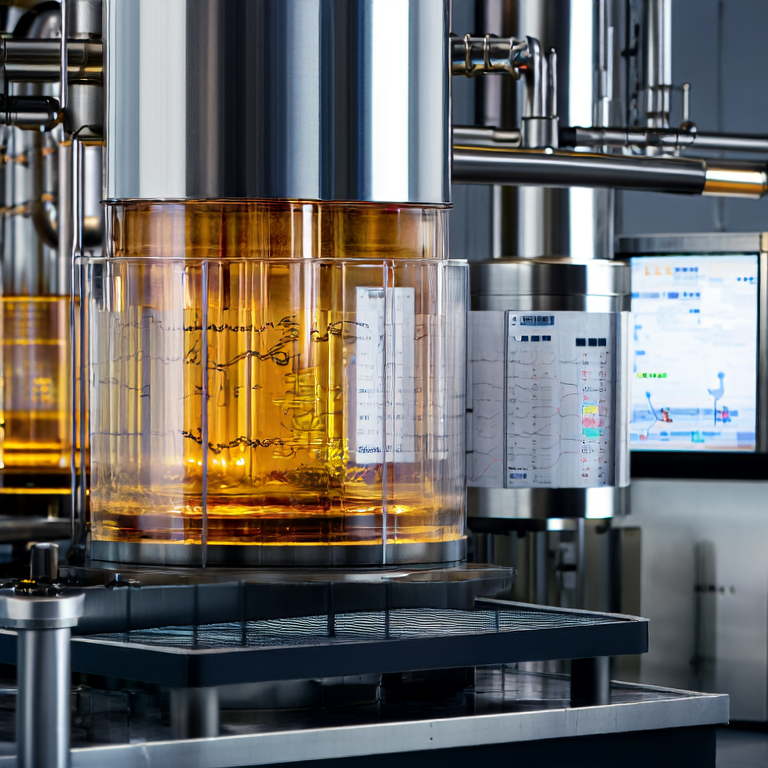
Supply chain challenges in synthetic ester base oil production include raw material shortages, logistical issues, and fluctuating demand. These factors can delay production and impact overall costs.
The production of synthetic esters requires specific raw materials, which are sometimes hard to source. The following table provides a comparison of standard and specialty chemicals used:
| Type | Availability | Cost |
|---|---|---|
| Standard Chemicals | Widely available | Low |
| Specialty Chemicals | Limited supply | High |
Logistics plays a vital role in ensuring timely delivery of raw materials. Delays in transportation can halt production processes. Poor transport infrastructure can exacerbate these issues, leading to greater inefficiencies.
The demand for synthetic ester base oils can fluctuate due to market trends. Producers need to be agile to respond to these changes. This adaptability requires effective communication within the supply chain.
Manufacturers often face capacity constraints that limit their ability to respond to sudden demand spikes. This situation can result in shortages. Understanding production capacity is crucial for effective supply chain management.
In conclusion, synthetic ester base oil production suffers from several supply chain challenges. Issues like raw material shortages, logistics hurdles, and fluctuating demand can impact the overall efficiency. Addressing these challenges is essential for a smooth production process in the synthetic ester market.
What are synthetic esters used for?
Synthetic esters are primarily used in lubricants and specialty fluids due to their excellent performance characteristics.
Why are raw materials important for synthetic ester production?
Raw materials determine the quality and performance of the final product. Ensuring their availability is crucial for consistent production.
How do logistics affect synthetic ester production?
Logistics is essential for timely delivery of raw materials. Delays can disrupt production schedules and increase costs.
What is the impact of demand fluctuations?
Fluctuating demand can lead to mismatches in production capacity, causing either shortages or excess inventory.
What capacity issues do manufacturers face?
Limited production capacity can limit a manufacturer's ability to meet market demand swiftly, impacting sales and customer satisfaction.

Main Product
Anti-oxidation and Corrosion Agents1
Main Product
Special base oil for transformer oil
Main Product
Special base oil for gear oil
Main Product
High temperature chain oil special base oil
Main Product
Special base oil for aviation engine oil
Main Product
Pentaerythritol ester series
Main Product
Polyester series
Main Product
Special base oil for fire resistant hydraulic oil
Main Product
Special base oil for refrigerating oil LD series